Sukiyaki Font: A Handwritten Typeface for Real-World Craft Projects
If you're a crafter, handmade seller, or printable designer who values authenticity and charm in your creations, then Sukiyaki is the font you've been looking for. As a part of the Script Amp collection, Sukiyaki brings the warmth of a handwritten style to your designs with its simple yet expressive letterforms. It's not just another script font — it’s a versatile typeface that blends beautifully into both physical and digital craft projects while maintaining clarity and professionalism.
The Personality of Sukiyaki
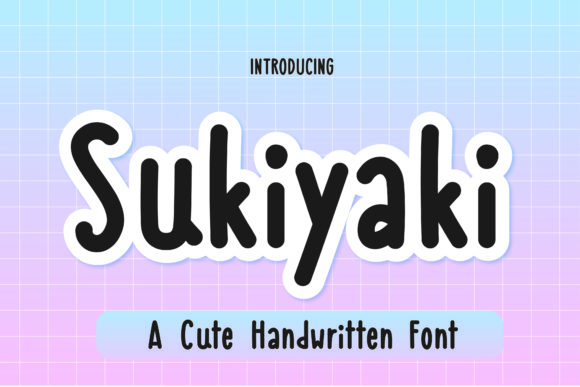
Sukiyaki is a lettered handwritten font that feels like it was crafted by hand on a chalkboard. Each character has a natural flow and subtle imperfections that make it feel personal and genuine. This isn’t about mimicking messy handwriting; it’s about capturing the gentle, intentional strokes of someone taking time to write something meaningful. The font carries a quiet confidence, making it ideal for projects where you want to convey warmth without sacrificing readability.
What makes Sukiyaki stand out is its balance between simplicity and character. Unlike some overly ornate script fonts, Sukiyaki avoids excessive flourishes, ensuring it remains legible even when used for longer phrases. Its clean lines and rounded forms give it a soft, approachable vibe that works well across multiple design styles — from rustic farmhouse signs to modern minimalist greeting cards.
Real-World Uses for Sukiyaki
Here are some of the ways I’ve found Sukiyaki to be incredibly useful in my own creative work:
- Candle Labels: The delicate curves of Sukiyaki add a touch of elegance to product labels, especially for candles, soaps, and other self-care items. Its chalk-like texture fits perfectly with the organic aesthetic of handmade goods.
- Birthday Invitations: When designing birthday invites, Sukiyaki adds a friendly, heartfelt tone. Whether it’s a casual kids' party or a more sophisticated celebration, this font adapts gracefully.
- Farmhouse Signs: There’s something inherently cozy about Sukiyaki. It looks right at home on wooden signs, chalkboard prints, or wall art that celebrates a country or vintage vibe.
- Wedding Welcome Boards: For wedding signage, such as welcome boards or seating charts, Sukiyaki provides a warm, personalized look that guests will love. Pair it with a serif or sans serif companion font to create contrast and visual interest.
- Printable Wall Art: If you sell digital printables, Sukiyaki can elevate your offerings. It reads well in large sizes and maintains its charm when printed at high resolution.
- Boutique Tags & Packaging: Small tags, price stickers, or packaging inserts benefit from Sukiyaki’s easy-to-read style. It gives your products a polished, yet artisanal finish.
- Seasonal Designs: From holiday cards to autumn wreath tags, Sukiyaki’s timeless look works across seasons. Its adaptability ensures your designs stay fresh year after year.
Why Readability Matters in Craft Fonts
Many crafters fall in love with beautiful script fonts only to find them too hard to read when applied to their products. That’s why Sukiyaki is such a gem. While it has all the charm of a handwritten font, it doesn’t compromise on clarity. This means it works well for:
- Product titles and short phrases
- Labels and tags (especially small ones)
- Names on invitations or signage
- Decorative text in templates or SVG-style designs
When using Sukiyaki on cutting machines like Cricut or Silhouette, I always recommend testing it at actual size before finalizing your project. Even though it’s designed to be readable, spacing and stroke width can vary slightly depending on the material and printer settings. Mockup previews are also essential — they help you see how the font will appear in context and ensure it complements your brand identity.
Font Pairing Ideas for Sukiyaki
One of the joys of working with a font like Sukiyaki is how easily it pairs with others. Because it’s a handwritten font, it often plays well with more structured styles. Here are a few combinations I’ve used successfully:
- Expressive Script + Clean Sans Serif: Use Sukiyaki for names or headlines and pair it with a modern sans serif for body text. This combination keeps things elegant but functional.
- Simple Handwritten + Bold Display Font: Combine Sukiyaki with a strong display font for posters or signage. The contrast creates a dynamic focal point without overwhelming the eye.
- Minimalist Script + Classic Serif: For a more refined look, try pairing Sukiyaki with a traditional serif font. It adds depth and sophistication to logos, branding materials, or stationery sets.
These pairings aren’t just about aesthetics — they’re about creating balance. Too much script can confuse the viewer, but Sukiyaki helps keep things grounded with its simplicity.
Commercial Use and Licensing
As a creator selling physical or digital products, it’s crucial to understand font licensing. Fortunately, Sukiyaki is a commercial font, which means you can use it in your designs for sale — whether you're printing mugs, shirts, tote bags, or digital templates. Just make sure to check the specific license terms provided by the font vendor to confirm what’s included.
Some key points to consider:
- Can it be used for SVG-style designs?
- Is it allowed for product packaging or branding assets?
- Are there alternates, ligatures, or swashes available to enhance customization?
I always advise reading through the licensing agreement carefully if you plan to include Sukiyaki in digital downloads or templates. Some fonts allow embedding in files, while others require redistribution permissions. Knowing these details upfront saves headaches later, especially when scaling your business or preparing for client work.
Designing with Sukiyaki: Tips for Maximum Impact
Whether you're working on a small sticker or a full-size sign, here are some practical tips to get the most out of Sukiyaki:
- Use it for short, impactful text: Names, titles, and short quotes are where Sukiyaki shines. Avoid using it for long paragraphs unless you're going for a very stylized look.
- Test it in different file formats: If the font comes in TTF, OTF, or WOFF formats, test each one to see which renders best in your preferred software or on your printer.
- Consider multilingual support: If you sell internationally or create content for diverse audiences, check if Sukiyaki supports the characters you need.
- Layer with textures: Sukiyaki looks especially great when paired with a chalkboard background, woodgrain textures, or aged paper effects. These layers can amplify its handmade feel without overshadowing the font itself.
- Keep colors soft and natural: Stick to muted tones like cream, gray, or brown to let the font breathe and maintain its authentic look.
Building Brand Consistency with Sukiyaki
In today’s competitive market, brand consistency is everything. Choosing the right typeface can set the tone for your entire product line. Sukiyaki, with its gentle and inviting presence, helps establish a cohesive brand identity across your designs. From product packaging to social media graphics, it adds a sense of familiarity and trust.
For example, if you run a boutique shop specializing in farmhouse décor, using Sukiyaki consistently across your signage, product labels, and web design will help customers recognize your style instantly. It’s a small detail that builds big results over time — stronger customer recognition and a more memorable brand experience.
Final Thoughts
Sukiyaki is more than just a pretty font — it’s a thoughtful tool for creators who want their designs to speak with personality and purpose. Its modern typography roots meet the needs of both hobbyists and commercial sellers, making it a reliable choice for a wide range of projects. Whether you’re crafting a new line of greeting cards or updating your product packaging, Sukiyaki brings a soft, handwritten charm that won’t go unnoticed.
So next time you’re brainstorming a new design, remember that sometimes less is more. Sukiyaki proves that with its quiet elegance and strong readability — a perfect blend of beauty and function for the real-world maker.