Historya Angely: A Versatile Script Font for Creative Branding
I was deep into a branding project for a local artisanal soap and candle shop, sifting through dozens of script fonts to find the perfect match for their warm, handcrafted aesthetic. That’s when I stumbled upon Historya Angely. The moment I opened it in my design software, I knew this wasn’t just another pretty typeface — it had character. It felt like meeting someone with an effortless charm that still commands attention. Let me walk you through how Historya Angely performed in real creative scenarios and why it might be a great fit for your next project.
First Impressions and Visual Character
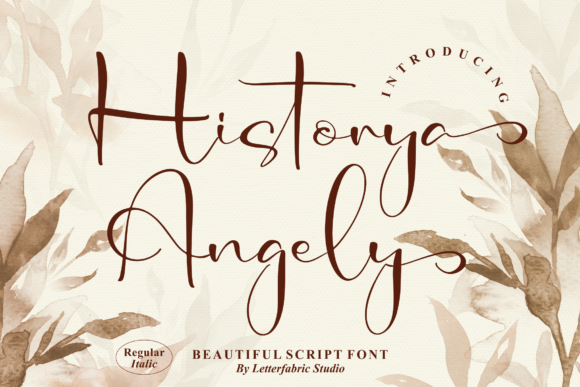
Historya Angely is a premium script font that blends elegance with approachability. It has a soft, flowing structure with subtle flourishes that don’t overwhelm the eye. What stood out immediately was its balance between cursive grace and readability — something many script fonts fail to achieve. The letters are connected but not too tightly, making it easier to use in short phrases without feeling cluttered or illegible. This makes it especially suitable for logos and brand elements where legibility matters as much as style.
The personality of Historya Angely leans toward romantic and vintage-inspired aesthetics, while still maintaining a modern edge. It’s not overly ornate, so it avoids the trap of looking outdated. Instead, it feels like a timeless signature that could work across both print and digital platforms. The overall appeal is strong, particularly for brands that want to evoke warmth, creativity, and a personal touch.
Real-World Application in Logo Design
I used Historya Angely in a logo draft for the same candle shop I mentioned earlier. The client wanted something that felt organic and inviting, rather than corporate or cold. When I tested it alongside more rigid sans serif options, Historya Angely added the right amount of soul and sophistication. It didn’t scream “handmade,” but it definitely whispered it — and that’s often what you need in a good brand mark.
In the final version, we paired it with a clean sans serif for taglines and supporting text. This allowed Historya Angely to shine as the headline while keeping the rest of the identity legible and grounded. The result? A logo that felt both luxurious and accessible — exactly what the client needed to stand out in a competitive market.
Performance Across Branding Touchpoints
- Brand Board: When creating a mood board, Historya Angely helped set the tone. Its delicate curves and soft contrast gave the brand a sense of refinement without being too fussy.
- Packaging Mockup: On product labels and boxes, the font worked well for titles and brand names. We made sure to keep the background simple to let the letterforms breathe. In larger sizes, it looked stunning on kraft paper packaging, adding a handwritten feel that aligned perfectly with the brand’s ethos.
- Business Cards: Here, we had to be careful. While it read beautifully at 36pt, reducing it to 18pt for smaller text started to affect clarity. But since the business card only needed the name and title, it worked fine as a display font.
- Website Header: On a homepage hero section, Historya Angely added a touch of class. The webfont format rendered smoothly, and the spacing was tight enough to prevent awkward gaps, which is a common issue with script fonts online.
- Social Media Layouts: Instagram posts using Historya Angely for quotes and captions caught attention instantly. The visual rhythm of the letters complemented lifestyle imagery nicely, especially in stories and carousel ads.
It also held up well on posters and flyers, though I found myself limiting it to short phrases and headlines. For longer descriptions, I switched to a complementary sans serif to maintain readability and hierarchy.
Readability, Hierarchy, and Brand Perception
One of the key considerations when choosing a script font is how it affects brand perception. Historya Angely adds a layer of sophistication and approachability, which is ideal for businesses in the beauty, wellness, fashion, and lifestyle sectors. It can help position a brand as both creative and trustworthy, which is no small feat in typography.
However, it’s important to note that Historya Angely isn’t a body font. Attempting to use it for long paragraphs or detailed copy will likely lead to fatigue. But when used correctly — as a display or accent font — it elevates the visual hierarchy and gives the brand a memorable focal point. It’s also worth mentioning that the included alternates and ligatures offer designers flexibility in crafting unique variations without compromising consistency.
Font Pairing Suggestions
Pairing is where Historya Angely really shines. Because it’s a script font with a moderate level of flourish, it works best with more structured companions. Here are some pairings I’ve tested and recommend:
- With a Serif Font: Think of a classic like Playfair Display or Lora. These pairings add depth and a sense of tradition, which can be powerful for heritage brands or luxury products.
- With a Sans Serif Font: Montserrat or Raleway are excellent choices. They provide a modern counterpoint to the softer edges of Historya Angely, balancing the overall look.
- With Another Script Font: Avoid unless you’re going for a very specific, layered look. Historya Angely is expressive enough on its own and doesn’t need extra scripts to make an impact.
If you're working with a modern typography system, such as those used in UI/UX design, Historya Angely can serve as a decorative accent in headers or call-to-action buttons. Just ensure there's enough contrast in weight and color to maintain hierarchy.
Licensing and Commercial Use
Before wrapping up any project, I always check the licensing details. With Historya Angely, you’ll want to confirm whether the license covers all intended uses — from website headers and social media content to printed materials like t-shirts, mugs, and shopping bags. Many script fonts have restrictions on commercial applications, so it’s essential to review the terms carefully before presenting a final design to a client.
If you’re planning to use it in a print-on-demand setup or for recurring editorial content (like blog headers or magazine covers), make sure the license allows for those uses. Some font providers offer extended licenses for such purposes, and it’s better to clarify early in the design process.
Limitations and Considerations
No font is perfect for every situation. Historya Angely, while beautiful, has some limitations that are worth noting:
- Small Sizes: As mentioned earlier, it loses clarity at smaller sizes. Use it sparingly for anything below 14pt if you’re printing it on tags or business cards.
- Long Text: It’s not built for large blocks of text. Reserve it for headlines, taglines, and other display purposes.
- Formal Corporate Use: If you're designing for a law firm or financial institution, Historya Angely may come off as too whimsical. Stick to more formal typefaces in these cases.
That said, for creative studios, handmade sellers, boutique shops, and lifestyle brands, Historya Angely is a standout choice. It brings a human element to design systems that can otherwise feel sterile or impersonal.
Testing Tips Before Finalizing Your Project
Before committing to Historya Angely in a client’s branding, I recommend doing a few quick tests:
- Try it in multiple sizes — especially the ones it will appear in on actual merchandise or signage.
- Use it in black and white to see how it holds up without color. Sometimes, flourishes get lost in grayscale.
- Apply it to different surfaces like fabric, wood, and glass to gauge how it translates beyond digital screens.
- Compare it side-by-side with similar script fonts in your library. Does it bring something unique to the table?
These steps will help you determine whether Historya Angely aligns with the brand’s tone and practical needs. It’s not just about how it looks on a screen — it’s about how it functions in the real world.
Final Thoughts on Historya Angely
After integrating Historya Angely into several branding projects, I’ve found it to be a reliable and versatile addition to any designer’s toolkit. Whether it’s a café menu, a book cover, or a poster for a pop-up event, this script font consistently delivers a refined yet friendly vibe. It’s the kind of font that feels like a signature — one that leaves a lasting impression.
So, if you're looking for a script font that bridges the gap between elegance and usability, Historya Angely is well worth a closer look. Just remember to treat it like the display font it is, and pair it wisely with supporting styles to maintain a cohesive and professional brand identity.